


Online gaming platforms can contain many different types of entertainment, making it useful to understand how games are organized. Rather than treating every title as the same, users can look at categories based on their mechanics, themes, and style of play. Bos Hoki can be considered from this perspective as a digital gaming environment where different categories may appeal to different preferences.
Why Game Categories Matter
A large collection of games can become difficult to navigate when everything appears on one page. Categories provide a practical way to separate titles according to their basic characteristics.
For example, users interested in reel-based games can focus on bos slot categories, while those looking for card or table formats can explore those sections instead. This organization saves time and makes it easier to compare games with similar mechanics.
Categories can also help new users understand the differences between game formats before making a choice.
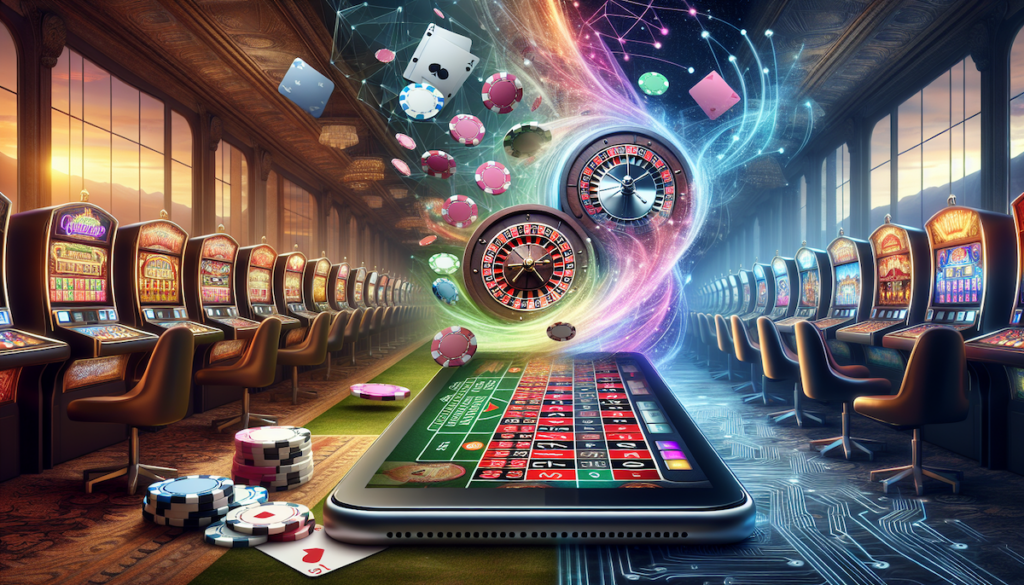
Slot-Based Games
Slots are one of the most recognizable categories in digital gaming. Their central structure generally involves reels, symbols, and predetermined rules for winning combinations.
Modern slot games can vary considerably. Some use simple layouts and traditional symbols, while others contain multiple reels, animations, bonus features, and themed designs.
Because every game can have different rules, users should read the individual game’s information instead of assuming that all slot titles work in exactly the same way.
Card Games
Card-based games form another broad category. Digital platforms can feature different variations based on familiar card concepts.
These games may focus on strategic decisions, chance, or a combination of both, depending on their design. The rules can differ between versions, so users should learn the specific format before participating.
Card games can appeal to users who enjoy a more structured interaction than the reel-based mechanics commonly associated with slots.
Table-Style Games
Table-style games recreate elements commonly associated with traditional gaming environments. Depending on the platform, this category can include different formats involving cards, numbers, wheels, or other table-based mechanics.
Digital presentation can make these games accessible through computers and mobile devices. Some versions also use visual interfaces designed to resemble a physical table.
Despite the presentation, users should still remember that digital versions operate according to their own published rules and systems.
Arcade and Casual Formats
Not every online game needs to follow traditional casino-style mechanics. Some platforms also provide arcade-inspired or casual entertainment formats.
These games may emphasize short sessions, simple controls, challenges, or visual interaction. They can be appealing to people who prefer quick entertainment rather than games involving detailed rules.
The exact selection depends on the platform, and users should review the available categories to see which formats are actually offered.
Live-Style Entertainment
Some digital gaming services may include live-style formats where games are presented through video or real-time interfaces. These experiences attempt to create a more interactive environment by combining digital access with visual elements associated with physical gaming.
A stable internet connection can be particularly important for this type of experience. Users should also check the service’s availability and terms because live features may not be offered in every location.
Themes and Personal Preferences
Categories are not limited to mechanics. Themes can also influence player choices. Some people prefer historical designs, while others may enjoy fantasy, adventure, mythology, nature, or modern visual concepts.
A theme can make a game more appealing visually, but it does not change the basic probability or rules behind chance-based outcomes. Users should therefore separate entertainment value from expectations about results.
Comparing Games Responsibly
When exploring different Bos Hoki categories, users can compare games by looking at their rules, features, interface, and overall complexity. This is more useful than selecting a title solely because it appears prominently on a homepage.
It is also important to review practical information such as age restrictions, regional availability, account conditions, and responsible-use policies. Local laws may determine which online gaming services are legally available.
A Balanced Approach to Digital Gaming
Different gaming categories serve different preferences. Slots may appeal to users who enjoy reels and themed visuals, card games can provide a different style of interaction, while table or casual formats may offer other experiences.
Understanding these differences can make browsing a digital platform more straightforward. At the same time, users should keep chance-based entertainment within reasonable personal limits.
The value of a gaming category ultimately depends on what a user is looking for. By learning the basic mechanics and reviewing the available information, users can explore online entertainment with clearer expectations and a better understanding of the differences between popular gaming formats.