


Finding the right fitness center Denver residents can visit regularly is an important step toward building a healthier lifestyle. A quality fitness facility offers more than workout equipment. It provides an environment where people can improve strength, increase endurance, develop better movement habits, and maintain a consistent exercise routine. Whether you are a beginner, an experienced athlete, or a busy professional, choosing a fitness center that fits your schedule and personal goals can make your fitness journey more rewarding.
What to Look for in a Fitness Center in Denver
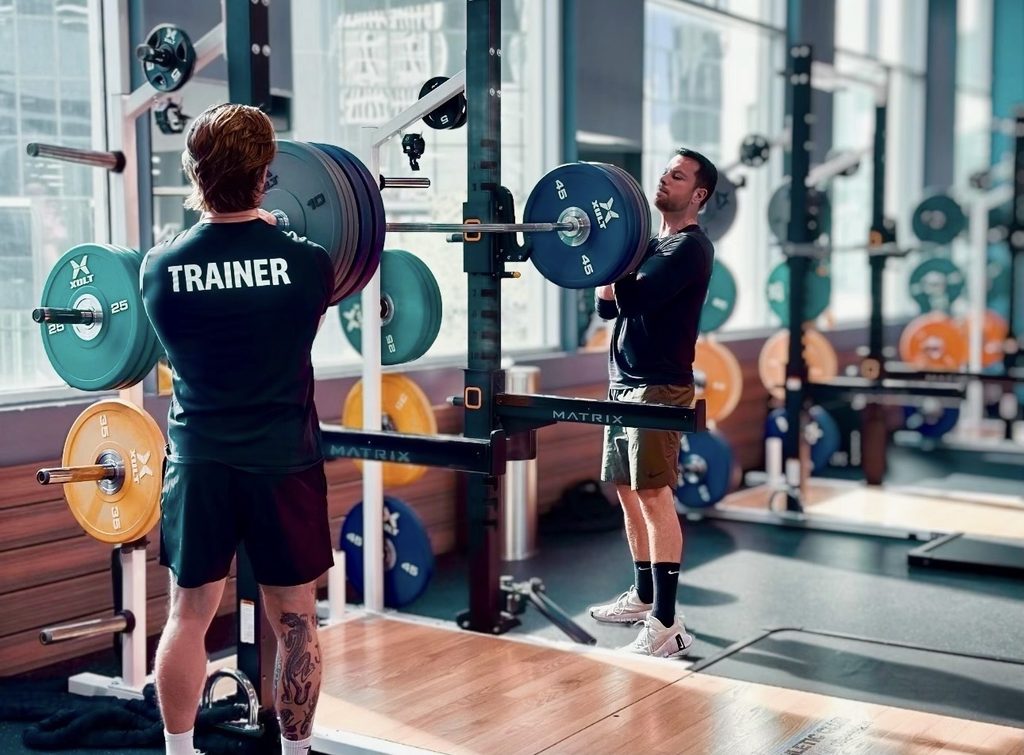
Choosing a fitness facility involves considering several factors, including equipment quality, available services, location, cleanliness, and the overall training environment. Denver residents have different fitness needs, so the right facility should offer enough flexibility to accommodate a variety of goals.
Some people want access to strength training equipment and free weights, while others prefer instructor-led classes, cardiovascular exercise, or recovery amenities. A well-equipped fitness center makes it easier to combine different forms of physical activity without making the routine unnecessarily complicated.
Location is another important consideration. A conveniently located gym near your home or workplace can reduce travel time and make it easier to exercise before work, during a lunch break, or after a busy day. When evaluating facilities, consider their opening hours, membership options, available equipment, and the services included in the membership.
Benefits of Regular Exercise
Regular physical activity supports many aspects of health and well-being. It can help improve cardiovascular fitness, strengthen muscles, maintain mobility, and support better sleep. Exercise can also contribute to stress management and improve a person’s sense of confidence and accomplishment.
According to the World Health Organization’s physical activity guidelines, adults should aim for at least 150 to 300 minutes of moderate-intensity aerobic activity each week, or an equivalent amount of vigorous activity, alongside muscle-strengthening activities on two or more days per week.
A fitness center provides a practical setting for working toward these recommendations. Members can combine treadmill sessions, cycling, resistance training, functional movements, and group exercise to create a balanced routine.
Consistency matters more than attempting an overly demanding workout at the beginning. Starting with manageable sessions and gradually increasing the intensity can help people establish sustainable habits.
Strength Training and Cardiovascular Fitness
Strength training is an essential part of a balanced exercise program. Exercises using dumbbells, barbells, resistance machines, and body weight can help develop muscular strength and support everyday movements.
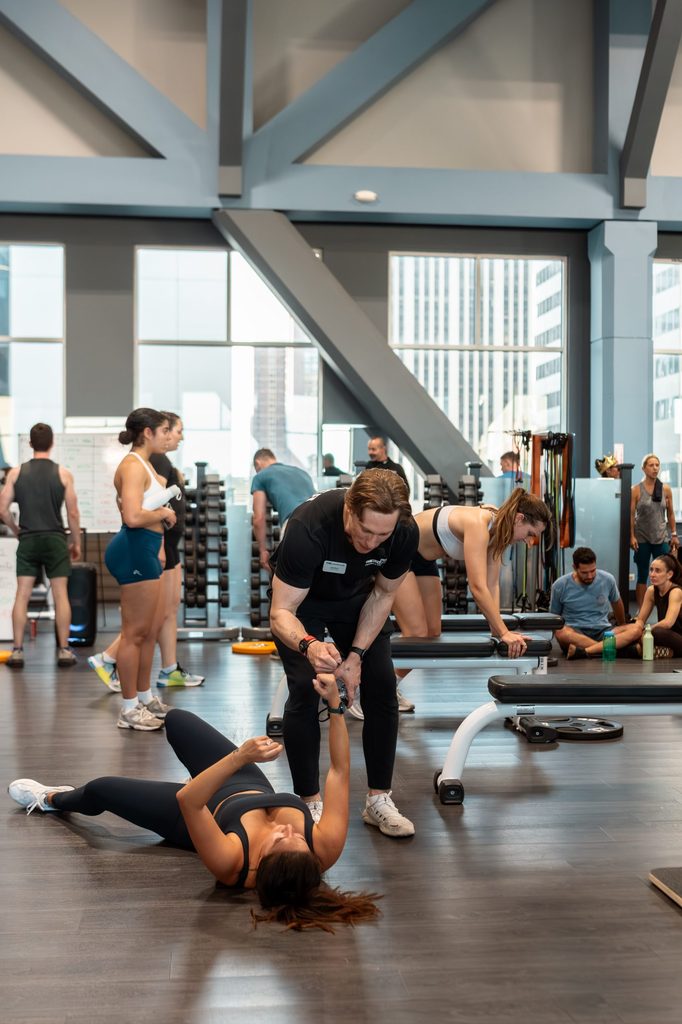
Beginners should focus on learning correct exercise techniques before increasing resistance. A qualified trainer can provide guidance on posture, movement patterns, equipment use, and appropriate progression.
Cardiovascular exercise offers complementary benefits. Walking on a treadmill, using an elliptical machine, cycling, or performing other aerobic activities can help improve endurance and support heart health.
Combining strength and cardiovascular training allows individuals to develop a more complete fitness routine. For example, someone might perform resistance exercises three days per week and add moderate cardio sessions on other days, adjusting the schedule to personal ability and recovery needs.
The ideal program depends on individual goals, experience, available time, and any relevant physical limitations.
Personal Training for Individual Fitness Goals
Personal training can be useful for people who want structured guidance and accountability. Working with a qualified trainer allows members to follow a program designed around their current fitness level, preferred activities, and long-term objectives.
Someone who wants to build muscle may need a progressive resistance training plan. A person preparing for an athletic event may benefit from a program that combines strength, speed, conditioning, and mobility. Meanwhile, a beginner may need help learning fundamental movements and developing confidence around gym equipment.
A good training plan should be realistic and adaptable. Trainers can monitor progress, adjust exercises, and help members understand how to perform movements safely. They can also provide structure when motivation fluctuates or schedules become demanding.
Before selecting a trainer, consider their qualifications, experience, communication style, and familiarity with your particular goals. Clear expectations and regular progress reviews can help make personal training more productive.
Group Fitness Classes and Community Motivation
Group fitness classes offer an engaging alternative to exercising alone. Depending on the facility, available sessions may include indoor cycling, high-intensity interval training, yoga, Pilates, circuit training, and strength-focused workouts.
Classes can help participants follow a schedule and experience different training styles. The instructor provides direction, while the shared environment can encourage consistency and make workouts more enjoyable.
People who are new to group exercise should review class descriptions and ask about intensity levels before participating. Modifications may be available for different abilities, although participants should always communicate relevant limitations to the instructor.
Group classes can also provide variety. Instead of repeating the same workout every week, members can alternate between strength, endurance, balance, and flexibility sessions.
Recovery and Wellness Beyond the Workout
An effective fitness routine includes recovery as well as exercise. Rest, adequate nutrition, hydration, and sufficient sleep help the body adapt to physical activity.
Some premium fitness facilities also offer recovery amenities, such as saunas, compression equipment, massage services, or red light therapy. These services may appeal to members who want additional wellness options alongside their regular training.
However, recovery treatments should not replace established health habits. Evidence varies by treatment, and the benefits depend on the specific service and individual circumstances. Anyone with a medical condition should consult a qualified healthcare professional before trying a treatment that may not be suitable for them.
Gentle movement, stretching when appropriate, and planned rest days can also help people manage training demands. If exercise causes persistent pain or unusual symptoms, it is important to stop and seek appropriate medical advice.
How to Choose the Right Gym Membership
Before committing to a membership, compare the total cost with the services you expect to use. A lower-priced membership may suit someone who primarily needs exercise equipment, while a premium option may provide additional classes, coaching, locker facilities, or recovery services.
Ask whether the membership includes group classes or charges extra for them. Check contract length, cancellation terms, guest policies, and any additional fees. A tour can help you assess the equipment, atmosphere, cleanliness, and availability of the spaces you intend to use.
It is also useful to visit at the time you would normally work out. A facility that feels comfortable during a quiet afternoon may be busier during early mornings or after work.
The best choice is not necessarily the facility with the most equipment or the highest membership price. It is the one that fits your goals, budget, schedule, and preferred training environment.
Building a Sustainable Fitness Routine in Denver
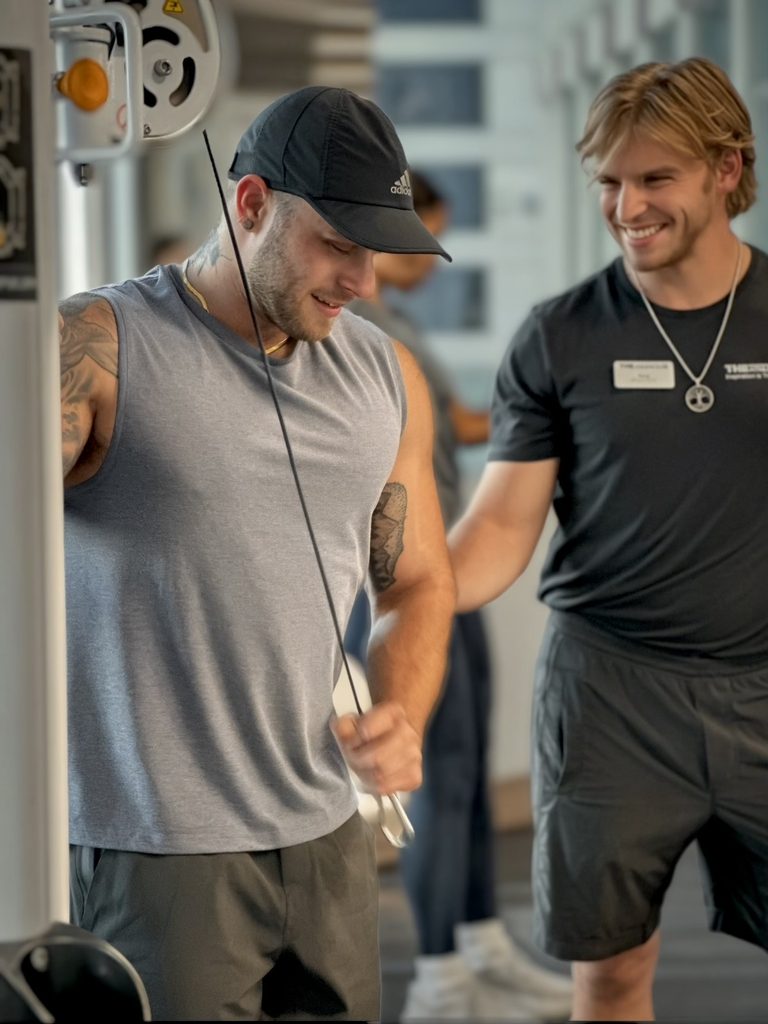
A successful routine begins with clear, achievable goals. Instead of trying to change everything immediately, choose a few habits that can be maintained over time. These might include attending the gym three times per week, adding regular walks, learning basic strength exercises, or attending one group class each week.
Track progress using practical measures such as workout consistency, strength improvements, exercise duration, or how comfortably everyday activities can be completed. Body weight is only one possible measure and may not reflect every improvement in fitness.
It is also important to allow your routine to change when circumstances change. Work commitments, family responsibilities, travel, and seasonal weather can affect exercise schedules. Having alternative workout options makes it easier to remain active when your usual plan is disrupted.
Denver residents can combine indoor gym sessions with outdoor walking, cycling, and recreational activities when conditions permit. This variety can help maintain interest while supporting an active lifestyle.
For additional background on exercise, health, and physical activity, explore the Wikipedia overview of physical exercise and the Wikipedia overview of physical fitness.
Make Fitness Part of Your Everyday Life
Choosing a suitable fitness center in Denver can help turn exercise from an occasional activity into a consistent part of everyday life. Access to strength equipment, cardio facilities, personal training, group classes, and recovery options can make it easier to build a balanced program around individual needs.
Before choosing a facility, identify your priorities, compare membership benefits, and consider which services you are most likely to use regularly. Begin with manageable goals, learn proper techniques, and increase your training demands gradually.
With a practical plan and a supportive training environment, you can work toward better strength, endurance, mobility, and overall well-being while developing habits that support long-term health.