


Online gaming has evolved from a niche hobby into a global cultural and economic phenomenon. What once began as simple text-based games and local multiplayer experiences has now transformed into immersive virtual worlds, competitive esports arenas, and social platforms that connect millions of players across continents. With the widespread availability of high-speed internet, smartphones, and powerful gaming devices, online gaming has become accessible to people of all ages, backgrounds, and skill levels. Today, it is not just a form of entertainment but also a medium for social interaction, learning, and even professional careers.
One of the major reasons behind the explosive growth of online gaming is the diversity of platforms and games available to players. From console and PC gaming to mobile apps, users can choose experiences that suit their preferences and lifestyles. Competitive multiplayer games, casual puzzle games, live casino platforms, and role-playing adventures all coexist in the online space. Platforms such as jilibet and similar services highlight how online gaming has expanded beyond traditional video games into interactive betting, live gaming, and real-time engagement models, attracting users who seek both entertainment and excitement in a digital environment.
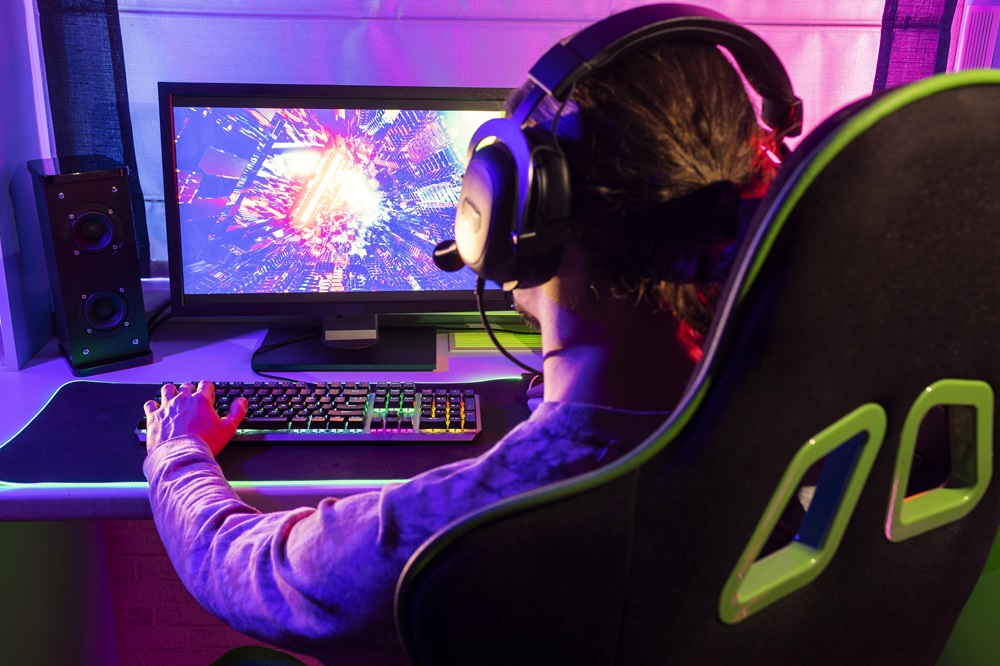
Technological innovation has played a crucial role in shaping the modern online gaming experience. Advances in graphics processing, cloud computing, and artificial intelligence have made games more realistic and responsive than ever before. Cloud gaming services allow players to stream high-quality games without the need for expensive hardware, while AI-driven systems enhance non-player character behavior and personalize user experiences. Virtual reality (VR) and augmented reality (AR) are also pushing boundaries, offering players a deeper sense of immersion and blurring the line between the digital and physical worlds.
Another significant aspect of online gaming is its social dimension. Unlike traditional single-player games, online games encourage collaboration, communication, and competition with other players in real time. Gamers form teams, guilds, and communities where they share strategies, build friendships, and develop a sense of belonging. For many individuals, especially younger players, online gaming communities serve as important social spaces that foster teamwork, leadership, and communication skills. During times of social isolation, such as global lockdowns, online gaming even became a primary way for people to stay connected.
The economic impact of online gaming is equally impressive. The industry generates billions of dollars annually through game sales, in-game purchases, subscriptions, advertising, and sponsorships. Esports has emerged as a professional field, with tournaments offering prize pools worth millions and attracting massive global audiences. Streamers and content creators on platforms like YouTube and Twitch have turned gaming into full-time careers, influencing trends and shaping player preferences. This growing ecosystem has created jobs not only for developers and designers but also for marketers, event organizers, analysts, and community managers.
Despite its many benefits, online gaming also faces challenges and criticisms. Issues such as excessive screen time, gaming addiction, cyberbullying, and data privacy concerns have raised questions among parents, educators, and policymakers. Responsible gaming practices, age-appropriate content controls, and awareness campaigns are essential to ensure that gaming remains a healthy and enjoyable activity. Developers and platforms are increasingly implementing features like playtime reminders, parental controls, and moderation tools to address these concerns.
Looking ahead, the future of online gaming appears bright and full of possibilities. As internet infrastructure continues to improve and technologies like 5G become more widespread, online games will become faster, more interactive, and more inclusive. Cross-platform play will further break down barriers between devices, allowing players to connect seamlessly regardless of how they access games. Additionally, the integration of blockchain technology and digital ownership concepts may redefine how players interact with in-game assets and virtual economies.
In conclusion, online gaming is much more than a passing trend; it is a dynamic and influential part of modern digital culture. It entertains, connects, educates, and even provides economic opportunities for millions of people worldwide. While challenges remain, the continuous evolution of technology and responsible innovation promise a future where online gaming continues to thrive as a powerful and positive force in the digital age.